FALL 2024-25 Seminar Schedule
All hybrid seminars this semester will be on Fridays in Tory 12-15 (in-person) and Zoom (online).
September 27, 2024, 2:00-3:30pm
Erika Goble, Funke Olokude, and Steven Friesen will be discussing Critical issues when engaging community in research: Understanding the differences between community-based methods and why it matters to both researchers and community partners.
October 11, 2024, 1:00-3:00pm
Seon Yuzyk and Julian Faid will be discussing Understanding Communities & Culture through Personification
November 8, 2024, 2:00-3:00pm
Sandra Bucerius and Phil Badawy will be discussing Mixed methods Research in the Prisoner Re-entry Study.
December 6, 2024, 2:00-3:00pm
Jimil Ataman will be discussing Scrolling, Shopping, Sewing: An Ethnography of Slow Fashion.
Understanding Communities and Culture through Personification
Friday, October 11, 2024
1:00 pm-3:00pm
Hybrid Seminar
in person: Tory 12-15 (Co-Lab)
virtual: Zoom link
This session examines overcoming the tendency to stereotype which involves recognizing and surfacing personal and societal biases. Stereotypes are often reinforced through public portrayals of “typical” community members. Identifying these patterns through personification helps highlight how assumptions limit broader understanding. Engaging with individuals from diverse backgrounds, both conforming to and defying stereotypes, expands perspectives. Sharing stories and counterexamples disrupts the dominant narratives that perpetuate stereotyping. Building connections across different communities, particularly between rural and urban populations, can create new opportunities for understanding and dismantling stereotypes. This process promotes a deeper appreciation of diversity and reduces the barriers created by stereotypical thinking. Improvisation, audience feedback, and performance are therefore used to demonstrate how persona creation can offer deeper insights into cultural dynamics and social experiences in research.
Panelists
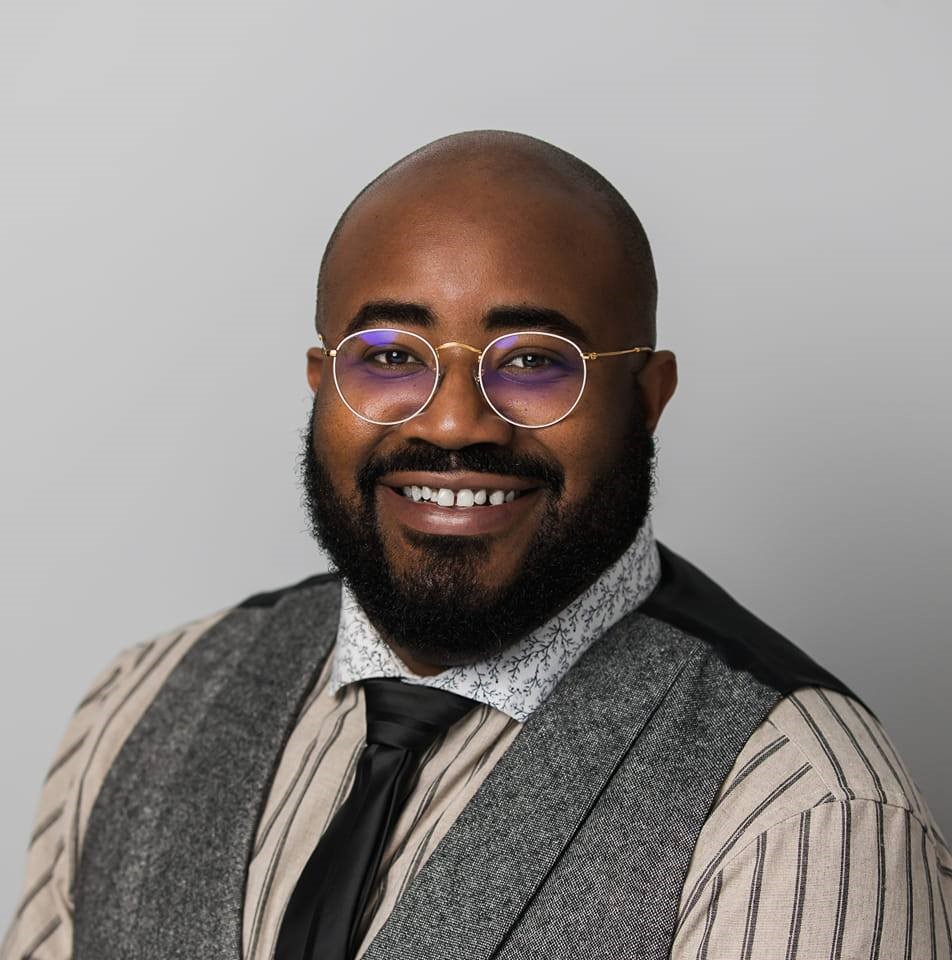
Seon Yuzyk
PhD Candidate, ABD, Political Science, University of Alberta
Seon Yuzyk is a doctoral candidate (ABD) in political science at the University of Alberta, specializing in Canadian politics, political theory, and racial capitalism. Yuzyk’s research explores systemic racism, economic inequality, and climate colonialism, with a focus on marginalized communities’ experiences. Yuzyk publishes articles weekly on Substack, addressing race, economy, and environmental justice to drive change and also manages the Emancipatory Entrepreneurship Knowledge Hub, supporting 2SLGBTQIA+ entrepreneurs, and serve as Associate Director for the Black Youth for Social Innovation Program. This work is driven by a commitment to equity, justice, and creating opportunities for change and could be found at seonyuzyk.substack.com.
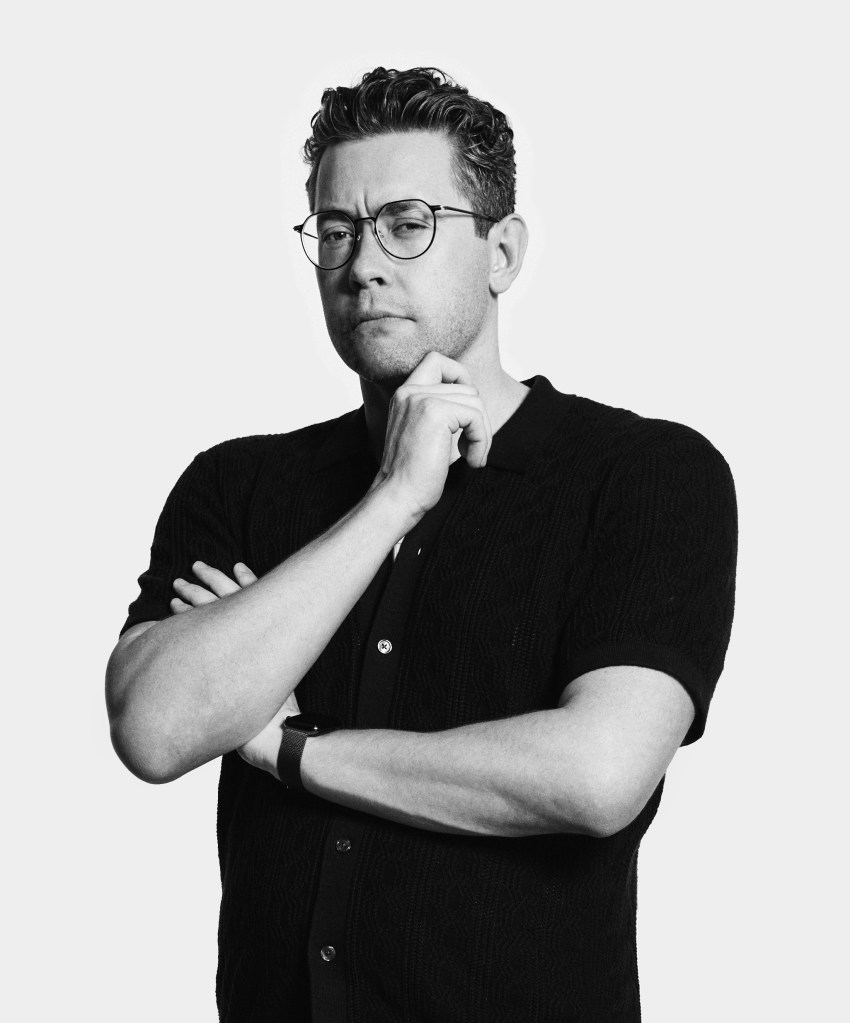
Julian Faid
PhD Candidate, Business, University of Alberta
Julian Faid is a qualitative researcher pursuing a PhD in the Department of Strategy, Entrepreneurship, and Management at the Alberta School of Business. He holds a BA in Sociology and an MSc in Environmental Sociology. His work has been published in the Canadian Journal of Urban Research, and he has authored reports for governmental and organizational bodies across Canada. Julian’s current research examines the intersection of gender and entrepreneurship.
Critical issues when engaging community in research: Understanding the differences between community-based methods and why it matters to both researchers and community partners
Friday, September 27, 2024
2pm-3:30pm
Hybrid Seminar
in person: Tory 12-15 (Co-Lab)
virtual: Zoom link
This session explores the importance of involving communities in research, which supports the development of methods like applied research, participatory action research, and community-based research. The discussion will also examine the differences in processes, methods, and the role of the community as it relates to these approaches and community benefiting outcomes. In addition, issues like researcher motivations, community benefit, and the nature of partnerships will be addressed and the facilitators will draw from their experiences to expand on lessons learned from both successful and unsuccessful projects and encourage participants to reflect on their own practices and assumptions when engaging community in research.
Panelists
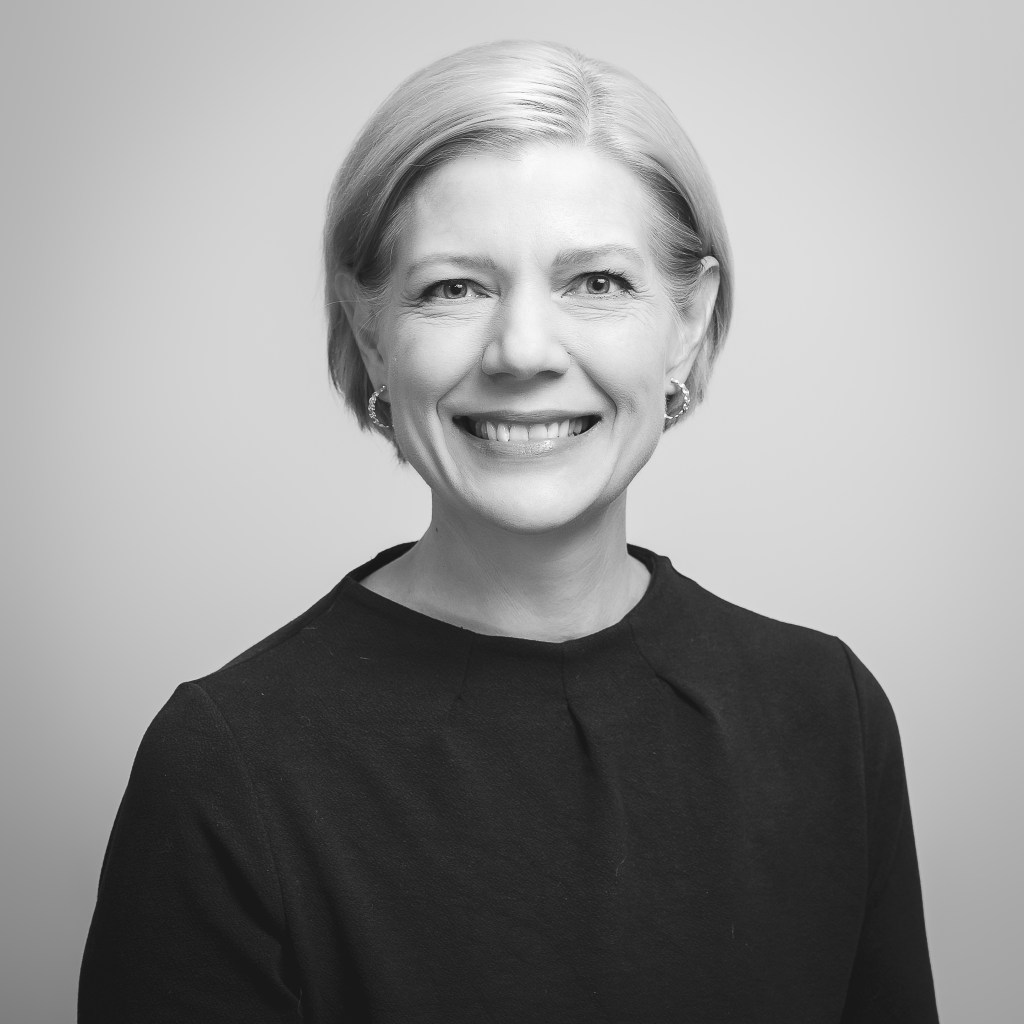
Erika Goble
Vice Dean, Research & Academic Innovation, NorQuest College, & Adjunct Assistant Professor, Faculty of Rehabilitation Medicine, University of Alberta
Erika Goble is a researcher, senior administrator, and Adjunct Assistant Professor. Originally trained as an anthropologist, over the past 20 years, Goble has transformed into a community-based, partner-driven researcher. She has held funding from all three Tri-Agencies, as well as ESDC and Mitacs. Currently, Goble is leading a CIHR-funded grassroots social innovation initiative in partnership with the Institute for Continuing Care Education & Research to improve care outcomes for clients and residents. Under her applied research leadership, NorQuest College has been recognized as one of Canada’s top research colleges.

Funke Olokude
CEO & Principal Consultant, Hexagon Wellness Solutions, & President, Nigerian Canadian Association of Edmonton
Funke Olokude is an executive, educator, and intercultural relationship facilitator with 18 years of experience in the social service industry. Working across Ontario, Quebec, and Alberta, she advocates for equity in policy and practice, fostering transformational relationships within systems. Her passion for knowledge engagement has led her to participate in over twenty Community Based Research projects, all of these earning her recognition as a Top 40 under 40 in Alberta in 2020 and a QE II Medal. Olokude is currently the CEO & Principal Consultant at Hexagon Wellness Solutions and the President of the Nigerian Canadian Association of Edmonton. She also serves on the boards of the Bredin Centre for Career Advancement and the Black Business Ventures Association, showcasing her commitment to empowering communities and driving positive change.
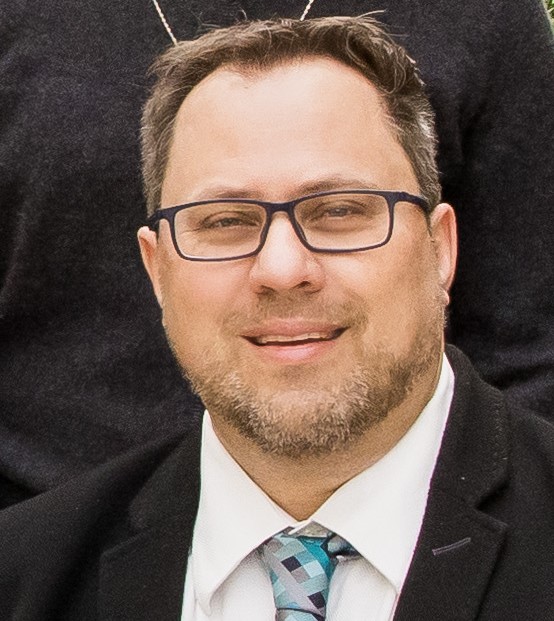
Steven Friesen
Executive Director, Research & Innovation at Bethany Care Society, Board Chair, Institute for Continuing Care Education & Research, & Guest lecturer, Faculty of Rehabilitation Medicine, University of Alberta
Steven Friesen is Executive Director, Research & Innovation at Bethany Care Society, one of Western Canada’s largest voluntary, not-for-profit providers of health, housing and community services for seniors and persons with disabilities. Friesen has held research and evaluation positions in Alberta’s public and non-profit health care sector for more than 20 years. His professional experience includes a broad focus on health service and system research and program evaluation across primary care, continuing care and acute care settings.
“Decolonizing” Methods, Unsettling Research Seminar”
Friday, March 8, 2024
12pm-1pm
Hybrid Seminar
in person: Tory 12-15 (Co-Lab)
virtual: Zoom link
In this moderated conversation, three U of A scholars will reflect on the work of “decolonizing” research methods, drawing on their own situated experiences, dpractices, relationships, and areas of scholarship. Conversation will include attention to the very idea of ‘decolonizing’ research, and how people integrate this into their teaching. Moderators will briefly introduce the recent ‘Decolonizing’ Approaches to Research at uAlberta project in which the three panelists participated.
Panelists
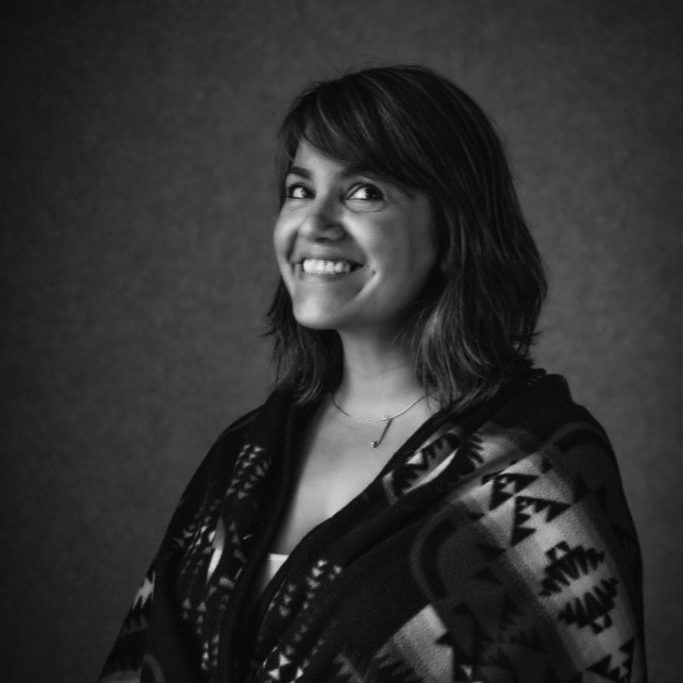
Lana Whiskeyjack
Associate professor, Faculty of Arts – Women’s & Gender Studies
Lana Whiskeyjack is a nêhiyaw (Cree) visual storyteller, scholartist and arts actionist educator. She is a multidisciplinary artist, scholar, and author from Saddle Lake Cree Nation in Treaty Six, Alberta, now based in amiskwaciy waskahikan, Edmonton. Lana demonstrates innovative interdisciplinary Indigenous knowledge translation and mobilization through arts and land-based practices, community-engaged research, scholarship services and teaching. Her scholarship is grounded within nêhiyawêwin (Cree language), nêhiyaw ways of being and knowing. Her current collaborative research explores gender and sexual diversity, rites of passage, rematriation, kinship systems (wahkohtowin) and health and wellness.
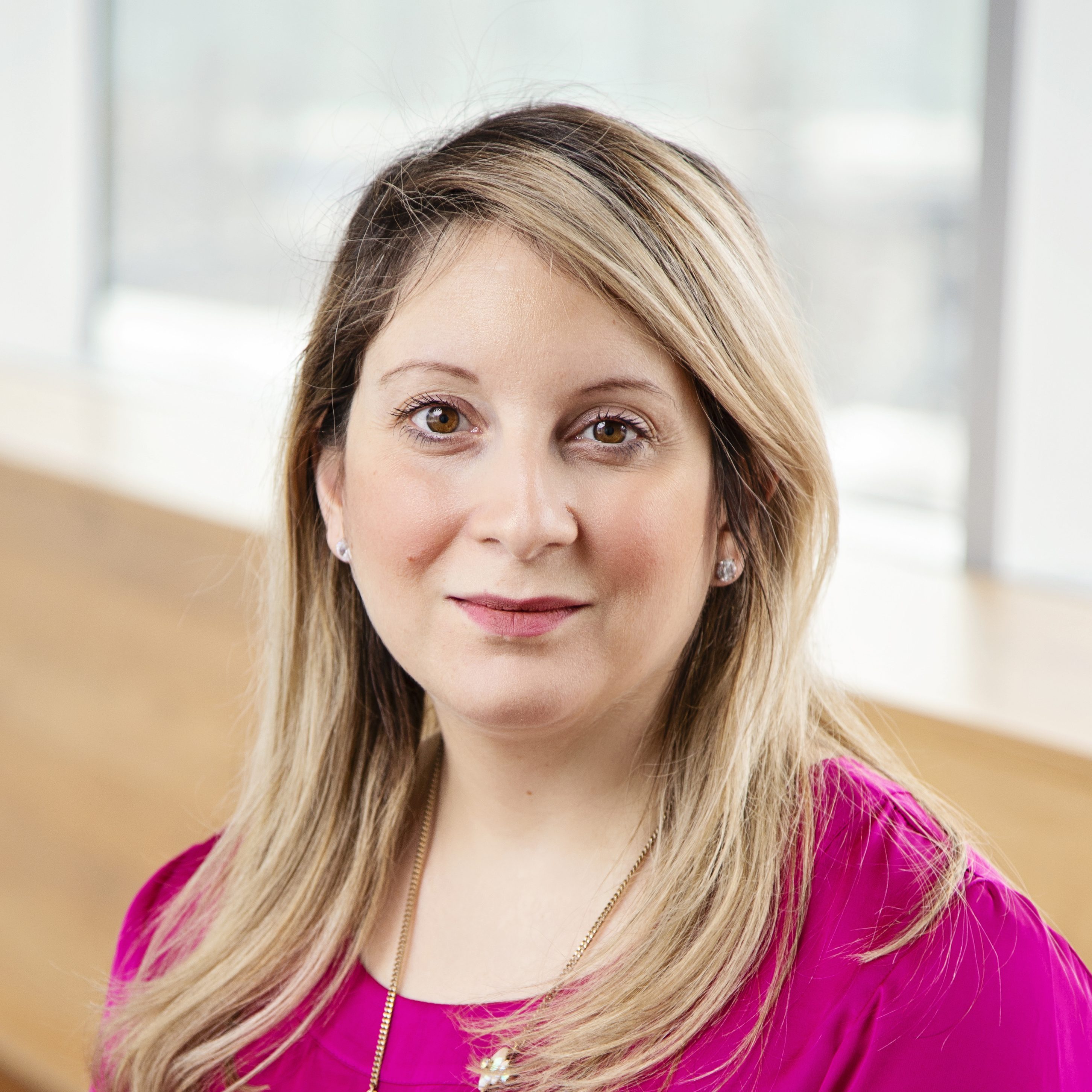
Stephanie Montesanti
Associate Professor, School of Public Health
Stephanie is a health policy and health systems researcher within the field of population and public health. Her research program examines the determinants of policy and systems change in addressing the health of populations. Her research focuses on understanding chronic disease and health inequities in Indigenous and other underserved populations in Canada and globally. She applies a socioecological and life course perspective to examine key community and societal-level factors that influence the health of individuals and communities throughout their life course.
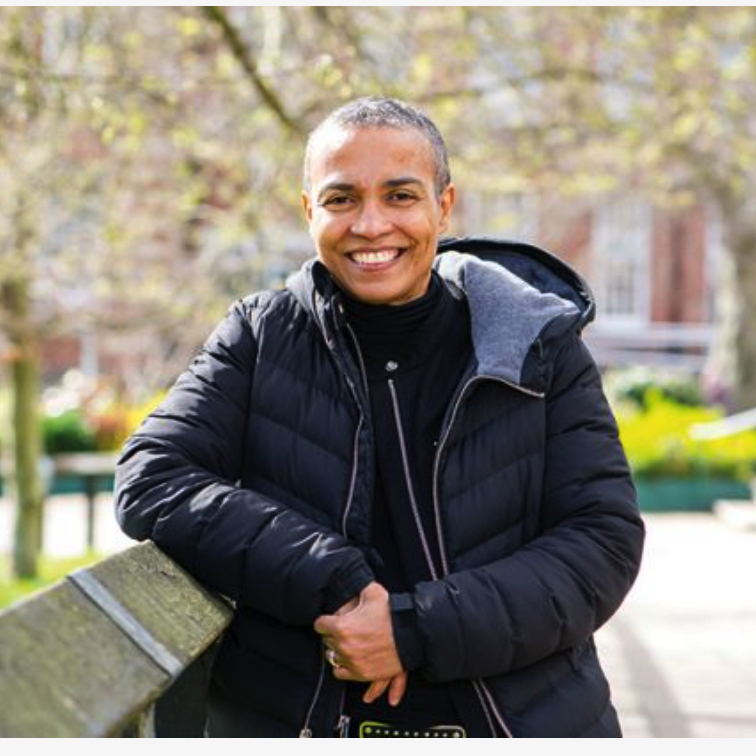
Shirley Anne Tate
Professor, Faculty of Arts – Sociology Dept
Shirley’s research is deeply rooted in the interdisciplinary field of Black feminist decolonial diaspora studies. Her publications span areas such as intersectional institutional racism, affect, hybridity, creolization, beauty and Black anti-racist aesthetics, ‘race’ performativity, Black/white mixed-race lives, and the “race”d and gendered body in enslavement and freedom. Over the years, she has developed Black feminist decolonial thought, drawing especially on Caribbean decolonial and Caribbean feminist decolonial thinking. Her contributions have emerged through a variety of formats, including monographs, commissioned book chapters, an international distinguished speaker lecture, keynotes, and other speaking invitations across the UK, Germany, Austria, the Netherlands, Finland, South Africa, Brazil, and the USA.
Moderators
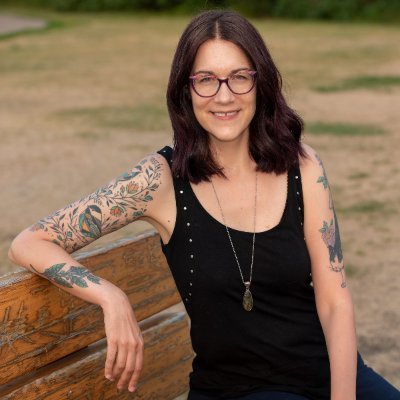
Nancy Van Styvendale
Associate Professor, Faculty of Native Studies
Associate Dean (Research), Faculty of Native Studies
Nancy Van Styvendale (B.A. Hon, Winnipeg; M.A, Simon Fraser; Ph.D., Alberta) is a white settler scholar who researches and teaches in the field of Indigenous literatures, with particular commitments to Indigenous prison writing; penal abolition; arts-based programs in prison; discourses of recovery and healing; and community-engaged/community-based education. Nancy is involved in a number of collaborative, community-driven teaching and research projects, including Inspired Minds, a creative writing program offered to incarcerated people in Alberta and Saskatchewan jails/prisons. She is a founding member of Free Lands Free Peoples, an Indigenous-led anti-colonial abolition collective, and the Saskatchewan-Manitoba-Alberta Abolition Coalition (SMAAC), a prairie network of abolitionist organizers and scholars.
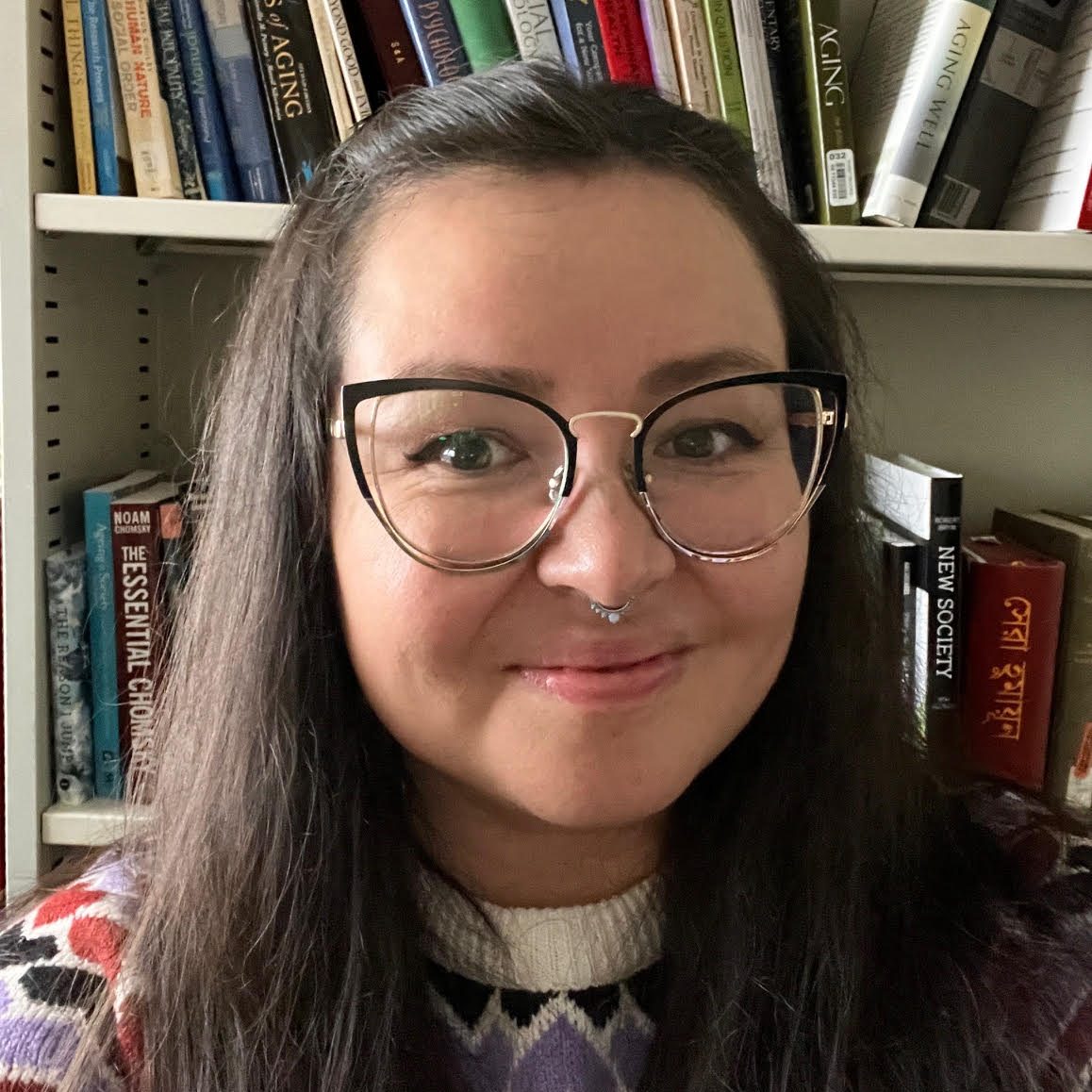
Audrey Medwayosh
Graduate Research Assistantship, Faculty of Arts – Sociology Dept
Audrey Medwayosh is Potawatomi and a member of the Wasauksing Nation. They hold an honours degree from UBC in Anthropology. They are currently a second year MA student in the department of sociology. Their SSHRC-funded thesis focuses on urban Indigenous experiences of grief and the impacts of culture on grieving processes. In recent months they have been exploring research creation, bringing their knowledge of beadwork to creative explorations of grief. Audrey has been the research assistant on the DARA project for the past 16 months and is passionate about unsettling Eurocentric ideologies within academia.
Bridging Divides in Methods
Friday, November 24, 2023
2pm-3pm
Hybrid Seminar
in person: Digital Scholarship Center (DSC) Room 2-20B2
virtual: Zoom link
The KIAS Research Cluster in Advancing Social Methods and Training for Social Change is excited to announce its first Methods Seminar of the 2023-24 year. As a first step in promoting social change through research methods and training, it’s important to consider the possibilities and pitfalls of working with and across different types of research methods, methodologies, and disciplines. This panel presentation will discuss divisions across research methods and fields, contestations across these divides, and how different methods speak to one another.
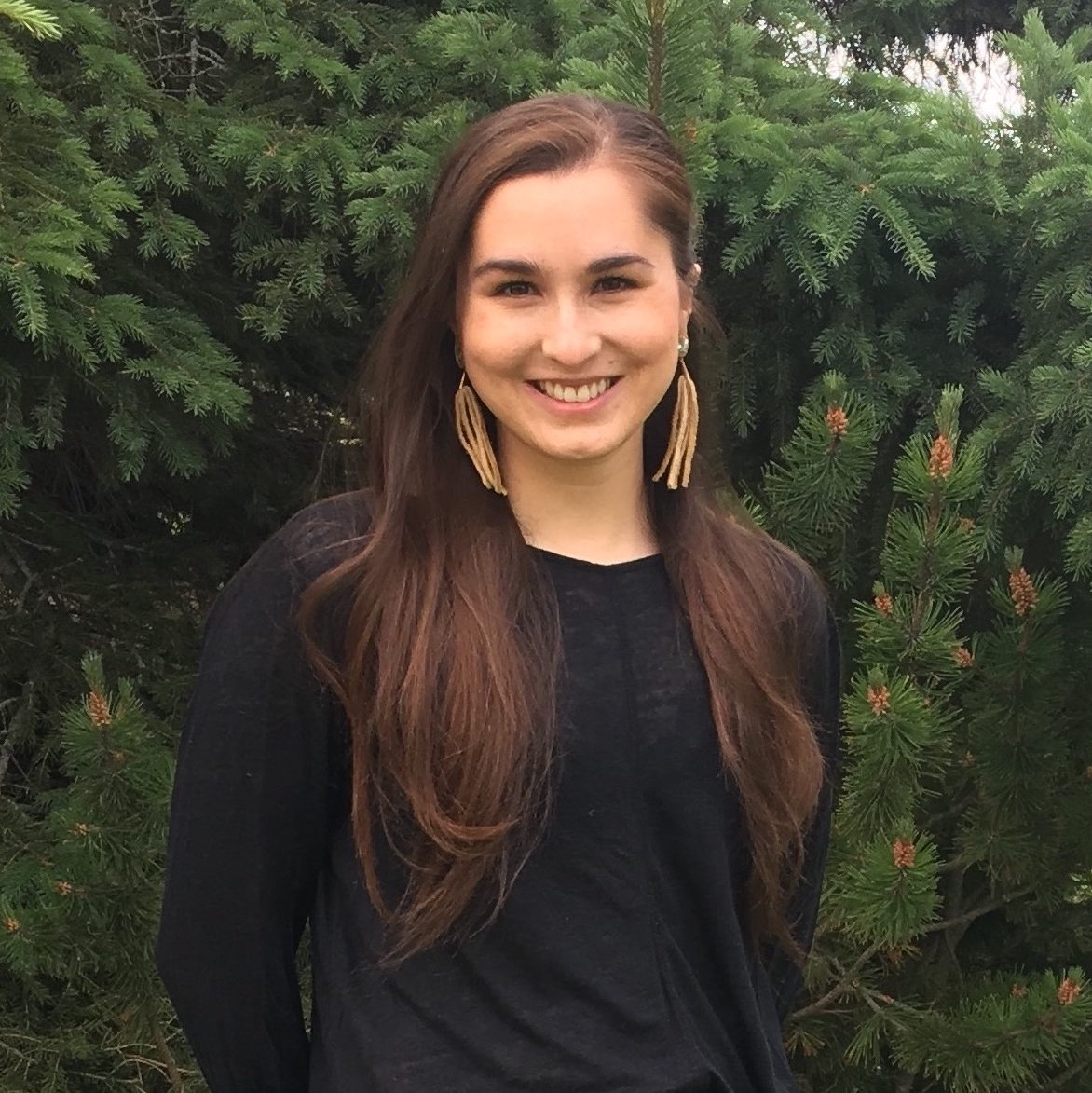
Kelsey Lindquist is a PhD student in Indigenous Studies at the University of Alberta. She is Cree-Métis with Euro-settler ancestry and she is a citizen of the Métis Nation of Alberta. She completed her BA and MA in Sociology at the University of Alberta. Her research focuses on Indigenous quantitative methodologies within the context of labour market research.
Dr. Maria Mayan is a Professor and Associate Dean Research in the School of Public Health, a community-based researcher, and a qualitative methodologist. Her research interests are in the area of partnerships, and how citizens, community-organizations, clinicians, governments and universities can work together to address disparities and improve health outcomes. The second edition of Maria’s introductory text, Essentials of Qualitative Inquiry (Routledge), showcasing applied qualitative inquiry, was published in Spring 2023.
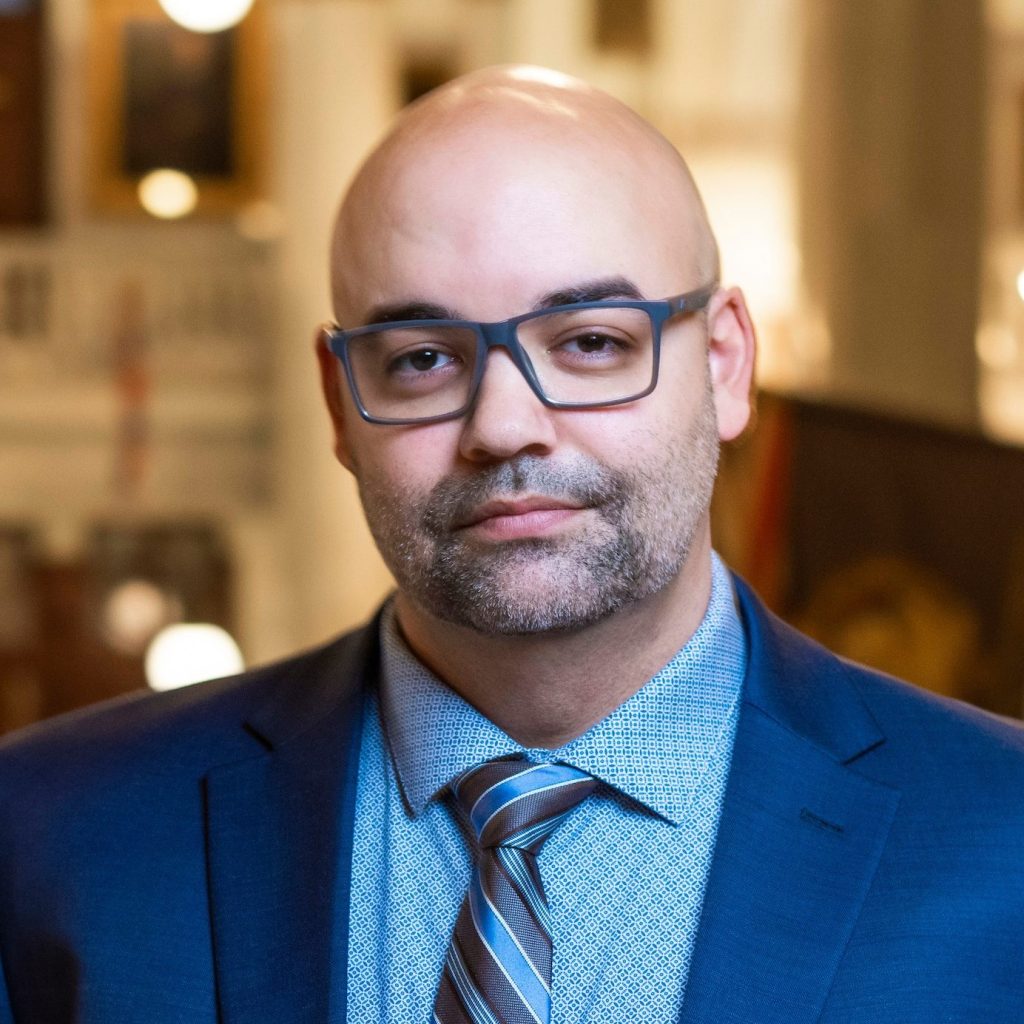
Dr. Jared Wesley is a Professor in the Department of Political Science and Associate Dean Graduate Studies in the Faculty of Arts. He has developed expertise in quantitative and qualitative methods over the course of his career in academia and government. His current research combines mass surveys with focus groups to study the intersection of public opinion, political culture, and public policy in Canada. A member of the UAlberta Black Faculty Collective, he has published widely using other methodological techniques, including content analysis, discourse analysis, and elite interviews
Seminar Materials
For each seminar, we will be sharing materials to expand learning. Materials for the November 2023 Seminar can be found HERE.
 Advancing Social Research Methods for Change