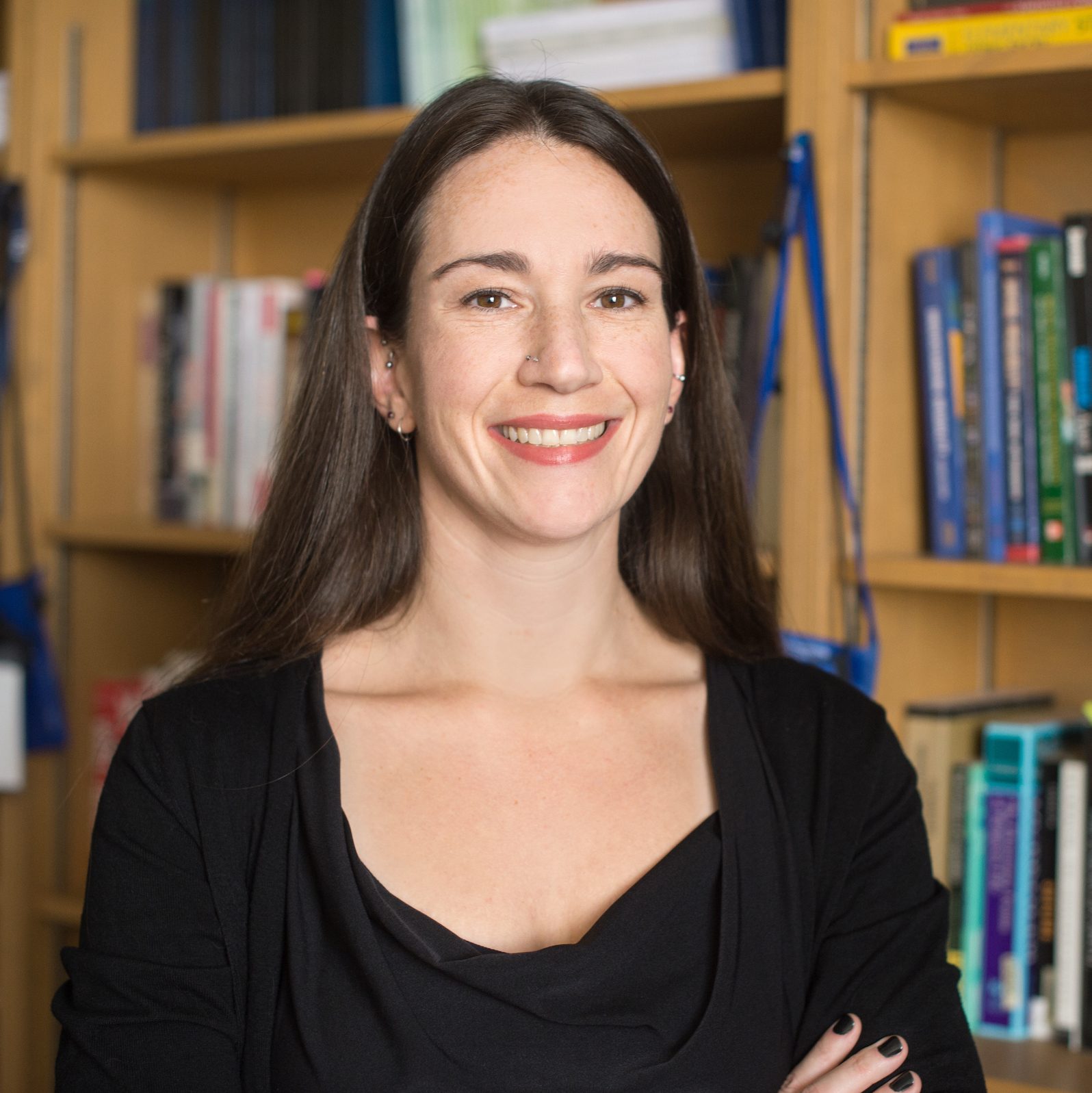
Michelle Maroto
Principal Investigator
Dr. Michelle Maroto is an Associate Professor of Sociology and Director for the Certificate in Applied Social Science Research (CASSR). Her research interests include social stratification, gender and family, race and ethnicity, labor and credit markets, and disability studies. Much of her research agenda has focused on two areas – documenting and understanding dimensions of wealth inequality and bringing disability into studies of stratification with a focus on ableism and discrimination. Her projects have examined the causes and consequences of bankruptcy, wealth disparities in the United States and Canada, the effects of incarceration on wealth, and labor market outcomes for people with different types of disabilities. Papers from these projects appear in top Sociology journals that include Social Forces, Gender & Society, the Journal of Marriage and Family, and Demography.
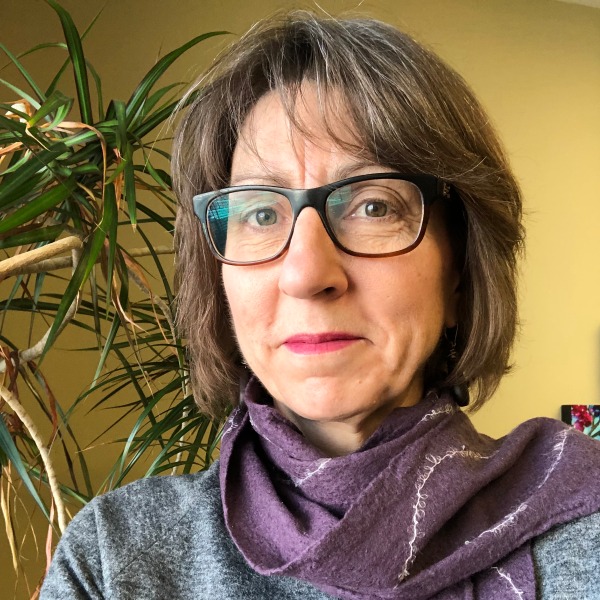
Sara Dorow
Dr. Sara Dorow (Professor, Department of Sociology, Arts; Director, International Institute for Qualitative Methodology) is a qualitative methodologist with expertise and experience in ethnographic, narrative, community-engaged, online, and mixed-methods research. She is Director of the International Institute for Qualitative Methodology and PI of the four-year interdisciplinary, multi-media SSHRC project, Work-Life in Canada. Dr. Dorow has taught qualitative methods at the graduate level for a decade and has disseminated her research in a wide range of academic and public venues.
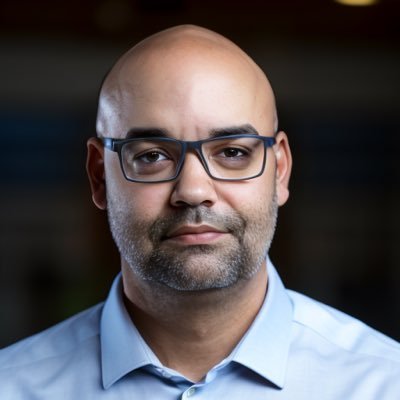
Jared Wesley
Dr. Jared Wesley (Professor, Political Science, Arts) has developed expertise in quantitative and qualitative methods over the course of his career in academia and government. His current research combines mass surveys with focus groups to study the intersection of public opinion, political culture, and public policy in Canada. A member of the UAlberta Black Faculty Collective, he has published widely using other methodological techniques, including content analysis, discourse analysis, and elite interviews.
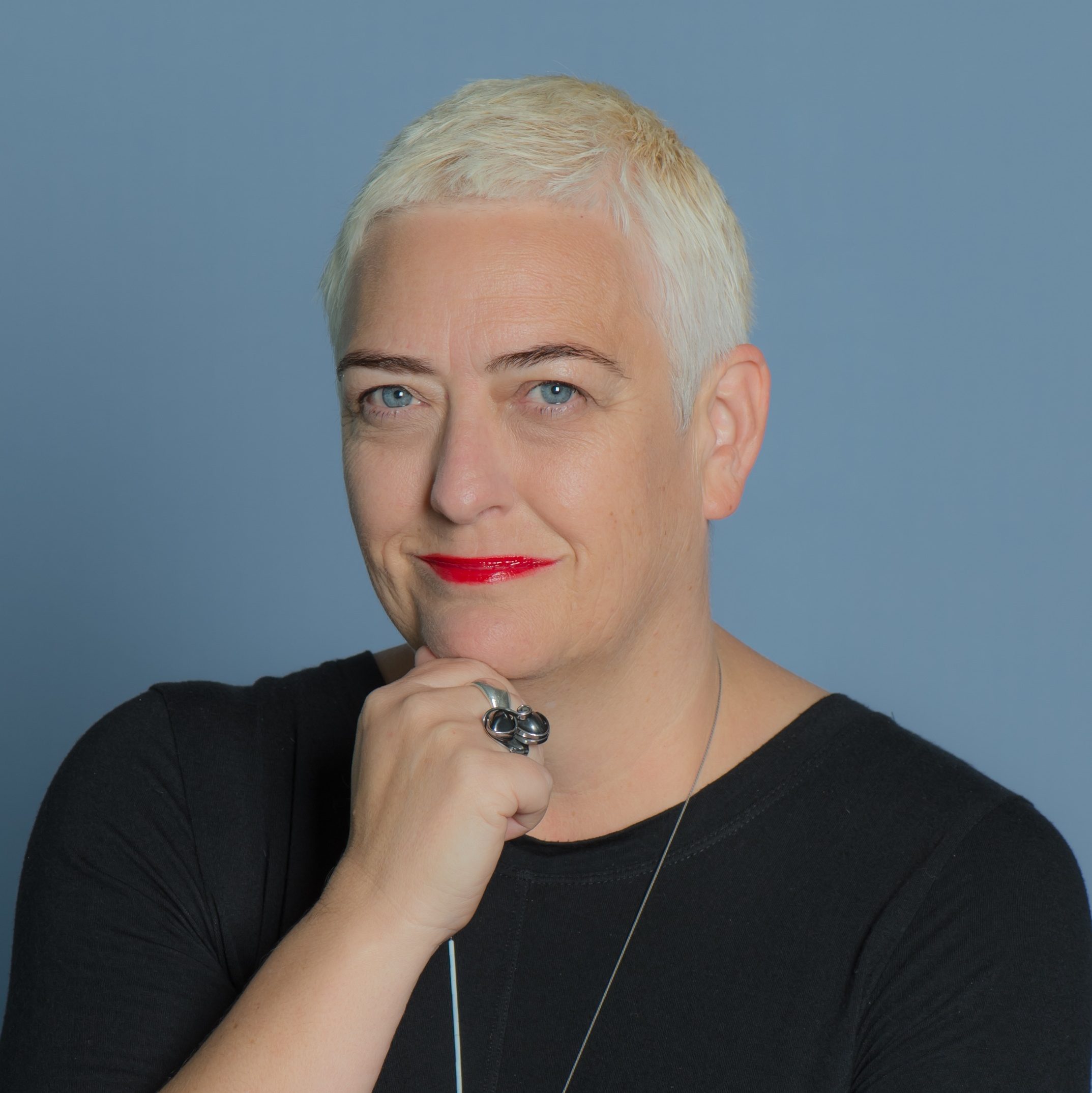
Deb Verhoeven
Dr. Deb Verhoeven (Professor, Digital Humanities/Women’s and Gender Studies, Arts) holds a CRC in Gender and Cultural Informatics and is the Director of the Humanities Networked Infrastructure (HuNI) Project. As a leading proponent of the digital humanities, Dr. Verhoeven’s research extends the limits of conventional film studies, exploring the intersection between cinema studies and other disciplines, including history, information management, and geo-spatial science. In addition to scholarly publications, she has developed multiple online research resources, such as the Cinema and Audiences Research Project (CAARP) database and WIDGET (the Workplace Inclusion Diversity and Gender Equity Tool). She is Director of the Kinomatics Project (kinomatics.com), a global, interdisciplinary study that collects, explores, analyses and represents data about the creative industries and the Collaboratory for the Analysis of Relational Data (CARD) at the University of Alberta.

Deanna Williamson
Dr. Deanna Williamson’s (Associate Professor, Department of Human Ecology, ALES; Academic Co-Chair, CUP Steering Committee) research focus is the well-being of families and their members. She is leading a project that is employing a critical ethnographic approach to explore the everyday processes engaged in by families with diverse compositions, socioeconomic circumstances, and ethno-cultural origins, with attention to the influence of social-contextual factors on family functioning. She has experience with a variety of research methods including individual and family/group interviews, interpreter-facilitated cross-language interviews, and participant-generated visual data.
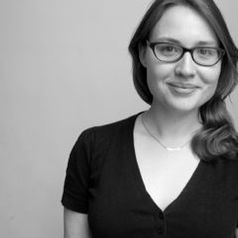
Nicole Denier
Dr. Nicole Denier (Assistant Professor, Department of Sociology, Arts) is a sociologist with expertise in work, economy, and society. Her work considers the structure and operation of the labor market both as an engine and as a site of social transformation. She has led projects on industrial transformation, gender and sexual orientation inequality in the Canadian labor market, the labour market experiences of immigrants in North America, and the impact of AI on labour market dynamics. She draws on quantitative, qualitative, and experimental methods in her work. She has advanced training in social statistics, longitudinal data analysis, and research design and has taught courses in research design and statistics.
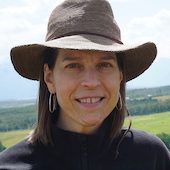
Karen Edwards
Karen Edwards (Director of the Community-University Partnership for the Study of Children, Youth and Families (CUP)) is a highly motivated and passionate research director with 22 years of experience in research management, community partnership development, strategic planning, evaluation, and knowledge mobilization. She has coordinated Canadian engagement in a global polar science program, fostered community engagement in a national research capacity building program for Indigenous health, and collaborated with provincial organizations to develop indoor air quality programming for schools. She has two decades of experience in community-based participatory research and values authentic community engagement in research. She has extensive experience building collaborations among community, government, academic, and funding partners that fosters evidence informed practice and policy decision making.
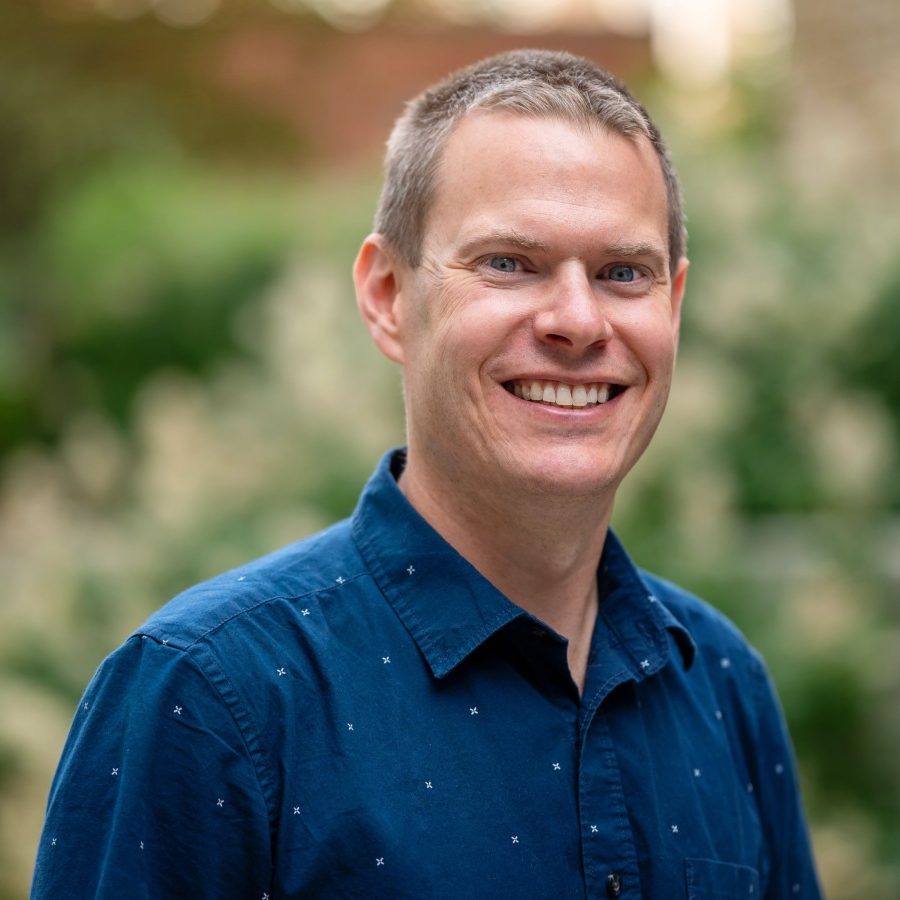
Matt Johnson
Dr. Matt Johnson’s (Professor of Family Science, Department of Human Ecology, ALES) methodological expertise lies in longitudinal and dyadic data analysis. He has taught an interdisciplinary graduate-level statistics course (Introduction to Structural Equation Modeling) for five years and delivered a two-day workshop on longitudinal dyadic data analysis at the University of Toronto in 2021. His published work uses a variety of statistical models, including growth curve, actor-partner interdependence, cross-lagged panel (random intercept and latent curve approaches), and measurement invariance testing, to name a few.
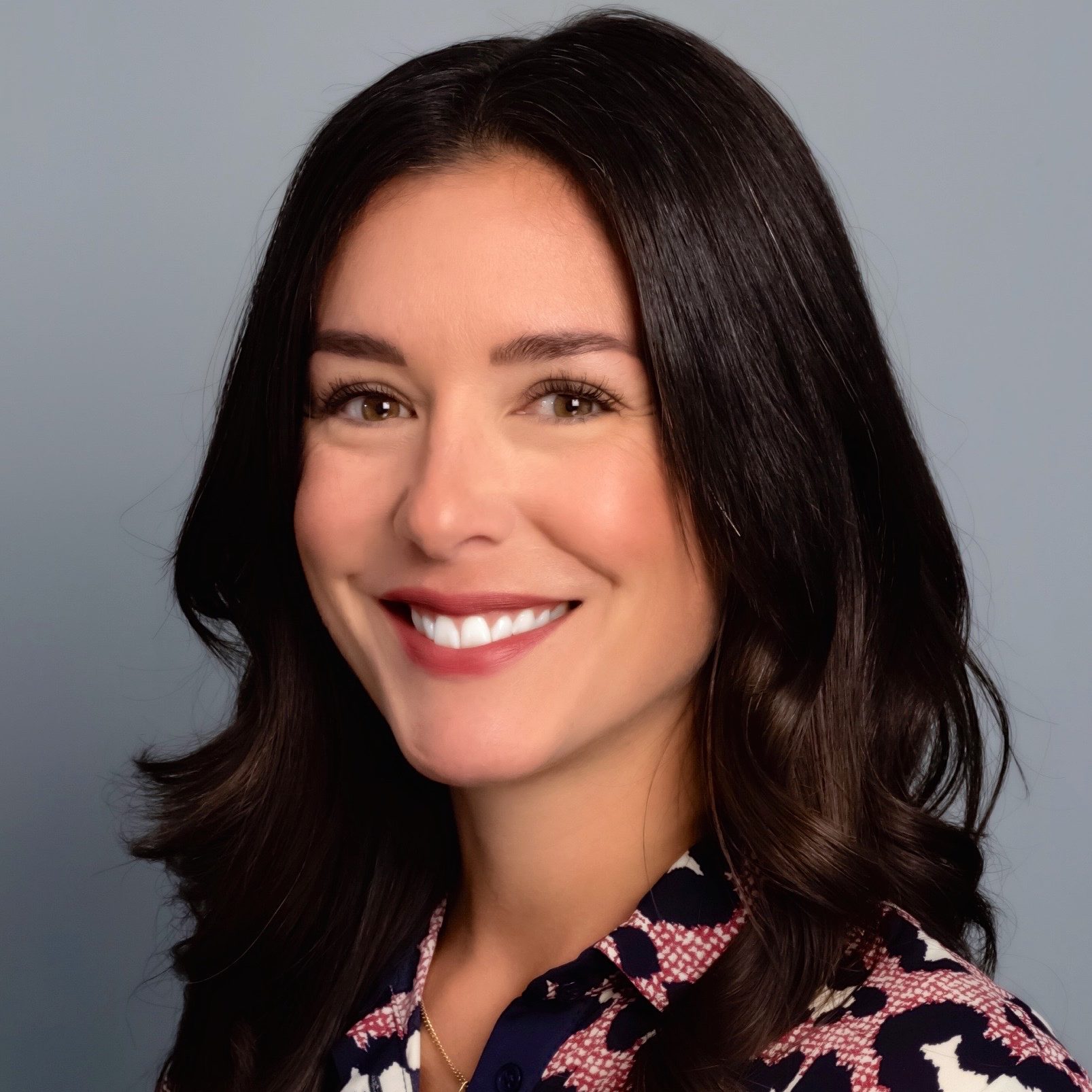
Brooke Madden
Dr. Brooke Madden’s (Associate Professor, Faculty of Education) research focuses on the relationship between teacher identity and teacher education on the topics of Indigenous education and truth and reconciliation education (TRE). Dr. Madden has also published on whiteness and decolonizing processes, school-based Indigenous education reform, and Indigenous and decolonizing research methodologies. As the current Faculty of Education Coutts-Clarke Research Fellow she studies identity construction among teacher educators, practicing teachers, and teacher candidates as they navigate TRE across universities, schools, and areas between (e.g., teaching practicum, district wide professional development).
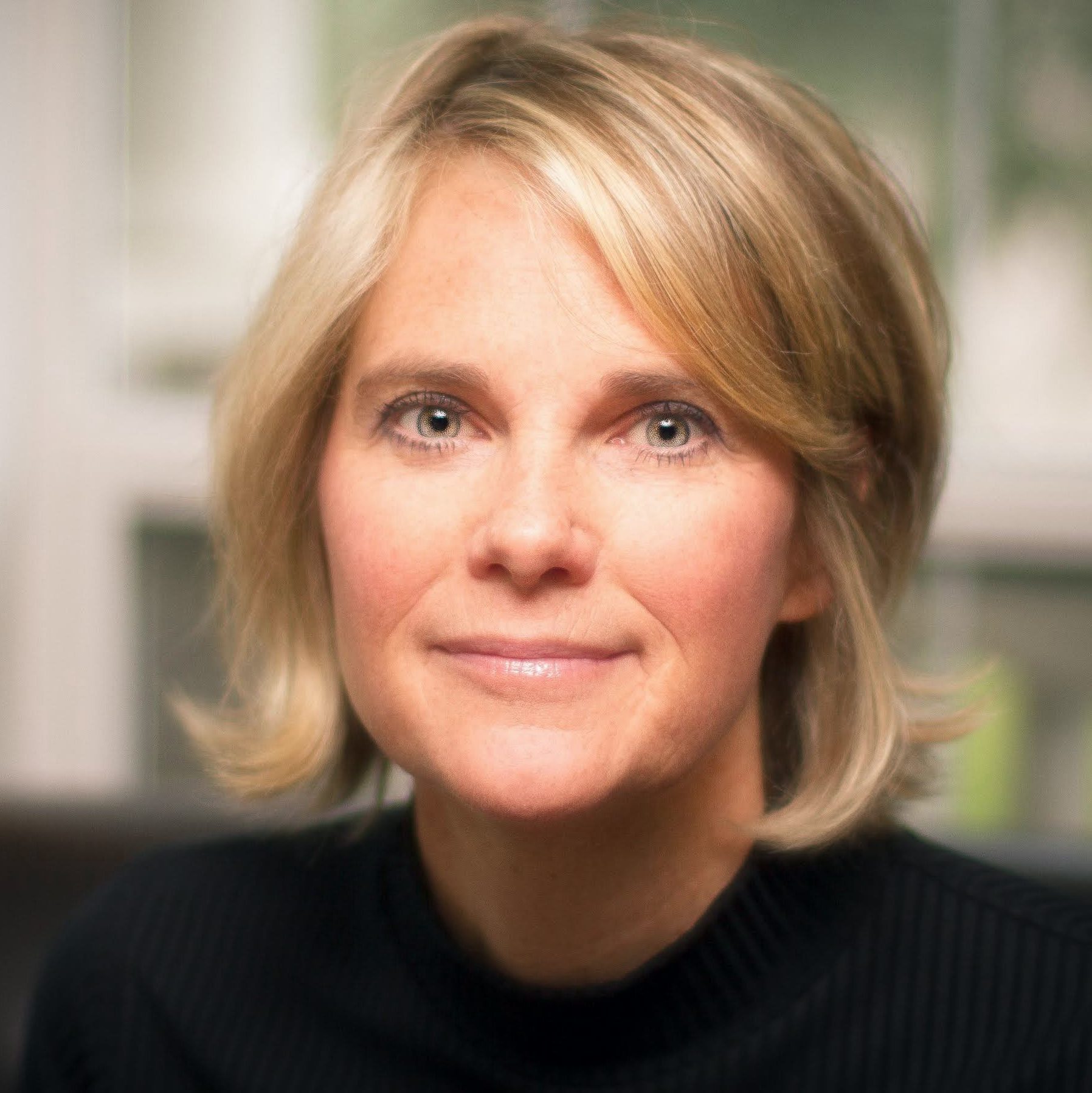
Maria Mayan
Dr. Maria Mayan (Professor and Associate Dean Research, School of Public Health) is a community-based researcher and a qualitative methodologist. Her research interests are in the area of partnerships, and how citizens, community-organizations, clinicians, governments and universities can work together to address disparities and improve health outcomes. The second edition of Maria’s introductory text, Essentials of Qualitative Inquiry (Routledge), showcasing applied qualitative inquiry, will be published in Spring, 2023.
Gillian Stevens
Dr. Gillian Stevens’s (Professor, Department of Sociology, Arts) research interests include processes of second language acquisition and language loss and ethnic intermarriage among immigrants in North America. She has extensive experience in quantitative methods and the use of census and survey data having served on the Advisory Committee of the U.S. Bureau of the Census in Washington D.C. and as Executive Director of the Population Research Laboratory at the University of Alberta. She currently teaches social research methods and statistics to both undergraduate and graduate students.
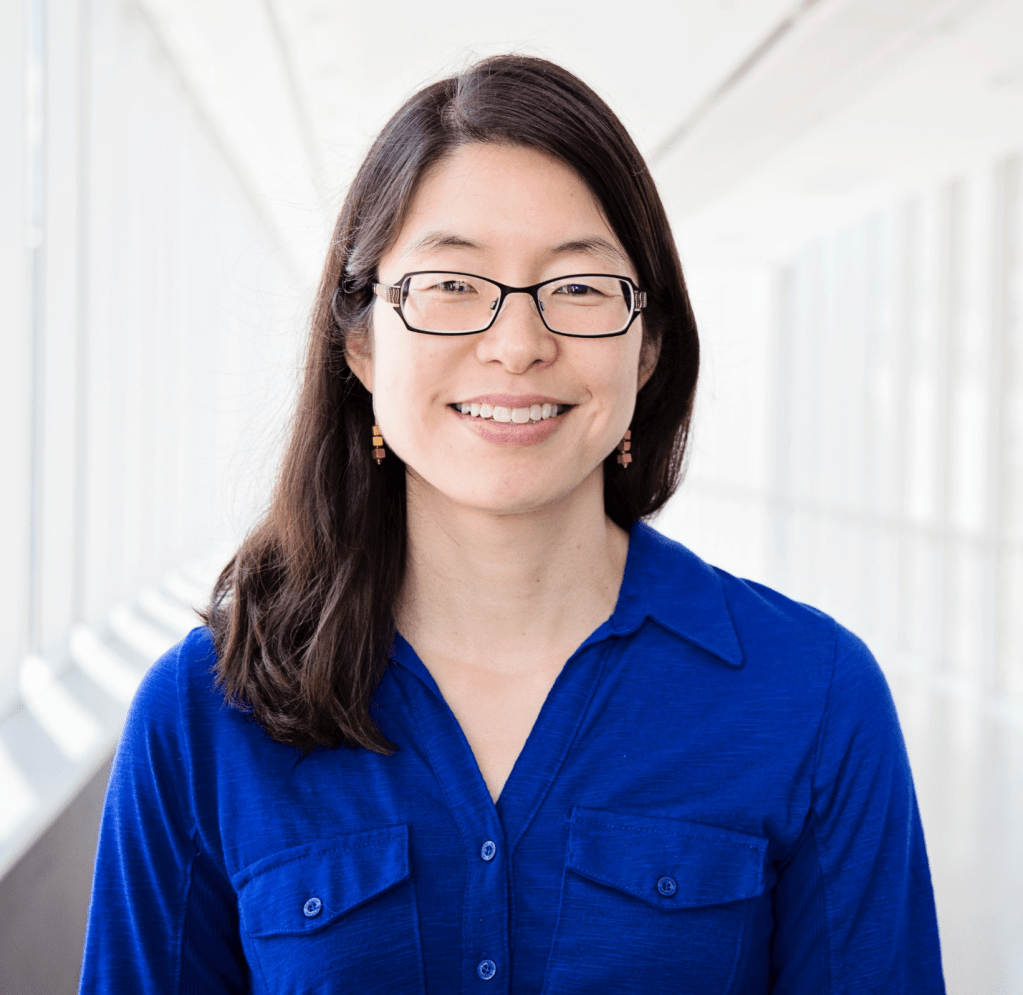
Shelby Yamamoto
Dr. Shelby Yamamoto’s (Associate Professor, School of Public Health) research as an environmental epidemiologist lies at the intersection of air pollution, climate change, and health. She is particularly interested in examining climate change vulnerability and how it contributes to health risks and adaptive capacity within this context. Past projects have focused on higher risk groups, such as older adults, immigrants, children, and pregnant people. Her epidemiological contributions regarding air pollution and climate change have focused on measuring and assessing different approaches to capture exposure, evaluating potential disease risks associated with exposure, evaluating interventions, and investigating vulnerability.
Siobhan Byrne
Dr. Siobhan Byrne’s (Director of the Institute for Intersectionality Studies, Associate Professor of Political Science) research and teaching are in the areas of feminist anti-war activism and peacebuilding in societies transitioning from conflict, with a special focus on Northern Ireland and Palestine/Israel. Dr. Byrne is co-editor of the volume Power-Sharing Pacts and the Women, Peace and Security Agenda (Routledge), and she is currently completing a book manuscript with Dr. Allison McCulloch titled Gender, Peace, and Power-Sharing (University of Toronto Press).

Leigh-Ann Waldropt-Bonair
Graduate Research Assistant
Leigh-Ann Waldropt-Bonair is a PhD student at the University of Alberta in the Department of Sociology. She is interested in the areas of human migration, food security and substance use.
Erin Embury
Undergraduate Research Assistant
Erin Embury is pursuing her Bachelor of Arts degree in Criminology from the University of Alberta.

Learn more about our partners at the International Institute for Qualitative Methodology and Community University Partnership.
 Advancing Social Research Methods for Change